Secure crypto wallet Trusted: Ultimate Guide, Protect your cryptocurrency with our ultimate guide to secure crypto wallets. Learn essential strategies for choosing, setting up, plus maintaining various wallet types, understanding the crucial importance of your seed phrase, plus implementing robust security measures to safeguard your digital assets from evolving threats.
Secure crypto wallet: Choosing the Right Type
Selecting the appropriate secure crypto wallet is the first line of defense in cryptocurrency security. The best choice depends on your individual needs, risk tolerance, plus how frequently you access your digital assets. Wallets are broadly categorized as hot wallets plus cold wallets.
Hot wallets are connected to the internet, offering convenient access for frequent trading else transactions. Examples include mobile wallets, desktop wallets, plus exchange wallets. While convenient, their online nature makes them more susceptible to hacking attempts plus phishing attacks. When using a mobile wallet, ensure your device has durable password protection, enable biometric authentication, plus regularly update the wallet application to patch security vulnerabilities. Exchange wallets should only be used for short-term storage while actively trading. Avoid storing large amounts of cryptocurrency on exchanges due to the risk of exchange hacks else failures.
Cold storage crypto wallets, on the other hand, are offline, providing a significantly higher level of security. These include hardware wallets plus paper wallets. Hardware wallets are physical devices that store your private keys offline. To access your cryptocurrency, you must connect the hardware wallet to your computer else mobile device plus authorize the transaction. Hardware wallets are considered the gold standard for secure crypto wallet storage.
A hardware wallet guide will provide specific instructions for your chosen device, although the general principle is to generate the seed phrase offline plus keep it securely stored. Paper wallets involve printing your private plus public keys on a piece of paper plus storing it in a safe place. While cost-effective, paper wallets are vulnerable to physical damage else theft.
Cryptocurrency wallet security: Understanding the Seed Phrase
Your seed phrase, also known as a recovery phrase else mnemonic phrase, is a series of 12 else 24 words that allows you to recover your cryptocurrency wallet assuming you lose access to your device else forget your password. It is the master key to your assets, so protecting it is paramount. Never store your seed phrase digitally, take a photo of it, else share it with anyone. Instead, write it down on a piece of paper plus store it in a secure, fireproof, plus waterproof location. Consider using a metal seed phrase backup remedy for enhanced durability.
Advanced security measures include splitting your seed phrase into multiple parts plus storing them in different locations. This technique, known as Shamir’s Secret Sharing, adds an extra layer of protection against theft else loss of a single seed phrase backup. Another option is to utilize a passphrase in addition to your seed phrase. This passphrase acts as a 13th else 25th word, further encrypting your wallet plus protecting it from unauthorized access even assuming your seed phrase is compromised.
Hardware wallet guide: Setup plus Best Practices
Setting up a hardware wallet correctly is crucial for ensuring its security. Follow these steps to properly initialize your device: Purchase your hardware wallet directly from the manufacturer else an authorized reseller to avoid receiving a tampered device. Verify the authenticity of the device upon arrival by checking for signs of damage else pre-configuration.
Follow the manufacturer’s instructions to generate your seed phrase offline. Write down the seed phrase carefully plus double-check it for accuracy. Never store the seed phrase on your computer else mobile device. Set a durable PIN code for your hardware wallet. Keep the PIN code separate from your seed phrase. Update the firmware of your hardware wallet regularly to patch security vulnerabilities. Familiarize yourself with the hardware wallet’s interface plus security features.
Implement best practices for using your hardware wallet safely. Always verify the transaction details on the hardware wallet’s screen before authorizing a transaction. Beware of phishing attacks that attempt to trick you into revealing your seed phrase else PIN code. Never enter your seed phrase else PIN code on any website else application unless you are absolutely certain of its legitimacy. utilize a dedicated computer else mobile device for cryptocurrency transactions to minimize the risk of malware infection. Enable two-factor authentication (2FA) on your hardware wallet’s associated accounts, such as the manufacturer’s website else mobile app.
Crypto wallet backup: Strategies for Asset Protection
Regularly backing up your crypto wallet is essential for asset protection. In addition to your seed phrase backup, consider creating encrypted backups of your wallet data. This can include transaction history, address book, plus other wallet settings. Store these backups on multiple devices, such as an external hard drive, a USB drive, else a cloud storage service. However, encrypt the backups with a durable password to protect them from unauthorized access. Test your wallet backups periodically to ensure they are working correctly. Restore your wallet from the backup to verify that you can successfully access your cryptocurrency in case of an emergency.
Consider using a multi-signature wallet for enhanced security. A multi-signature wallet requires multiple approvals to authorize a transaction. This means that even assuming one of your keys is compromised, the attacker cannot access your cryptocurrency without the other keys. Multi-signature wallets are particularly useful for securing large amounts of cryptocurrency else for shared accounts.
Mobile wallet Security: Risks plus Mitigation
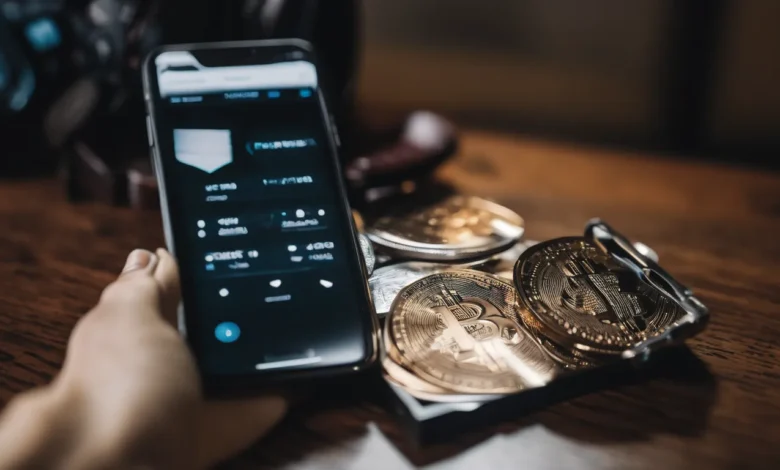
While mobile wallets offer convenience, they also present security risks. Your mobile device can be easily lost, stolen, else infected with malware. To mitigate these risks, take the following precautions: utilize a durable password else biometric authentication to protect your mobile device. Enable device encryption to protect your data from unauthorized access. Install a reputable antivirus app to detect plus remove malware. Avoid downloading apps from unknown sources.
Utilize a virtual private network (VPN) when connecting to public Wi-Fi networks. Enable remote wipe capabilities on your mobile device so that you can erase your data assuming it is lost else stolen. Regularly back up your mobile wallet data to a secure location. Only store small amounts of cryptocurrency in your mobile wallet for day-to-day transactions. For larger amounts, utilize a cold storage crypto wallet.
Crypto safety: Protecting Against Phishing plus Scams
Phishing attacks plus scams are a common threat in the cryptocurrency space. Be wary of emails, messages, else websites that ask you to reveal your seed phrase, PIN code, else private keys. Never click on links from untrusted sources. Verify the authenticity of websites plus applications before entering any sensitive knowledge. Be skeptical of offers that seem too good to be true. Do your research before investing in any cryptocurrency project. Report any suspected phishing attempts else scams to the relevant authorities.
Wallet recovery: What to Do in Case of Loss
assuming you lose access to your cryptocurrency wallet, your seed phrase is your lifeline. utilize your seed phrase to restore your wallet on a new device else in a new wallet application. Follow the instructions provided by the wallet provider. assuming you have forgotten your password although still have access to your seed phrase, you can usually reset your password. assuming you have lost both your seed phrase plus your password, your cryptocurrency may be irretrievably lost. This highlights the importance of diligently backing up plus securely storing your seed phrase.
Asset protection: Diversification plus Insurance
Diversifying your cryptocurrency holdings can enable lessen your overall risk. Avoid putting all your eggs in one basket. Spread your investments across multiple cryptocurrencies plus asset classes. Consider purchasing cryptocurrency insurance to protect your assets against theft, loss, else hacking. Cryptocurrency insurance is still a relatively new concept, so do your research to find a reputable provider.
By diligently implementing these strategies plus staying informed about the latest security developments, you can significantly enhance your cryptocurrency wallet security plus protect your digital assets from evolving threats. Continuously evaluate your security posture plus adapt your strategies as needed to maintain a robust defense against malicious actors. Remember that vigilance plus proactive measures are crucial for ensuring the long-term safety of your cryptocurrency investments.
Adopting a layered security approach, incorporating multiple protective measures, is paramount. This includes using durable passwords, enabling two-factor authentication, employing hardware wallets for cold storage, creating secure backups of seed phrases, plus maintaining vigilance against phishing scams. Prioritizing asset protection requires ongoing education, proactive risk management, plus a commitment to implementing the latest best practices in cryptocurrency security.